

Living in a high-rise condo or a historic loft in Downtown Indianapolis offers an incredible urban lifestyle. You are close to the views of Monument Circle and the energy of the Wholesale District.
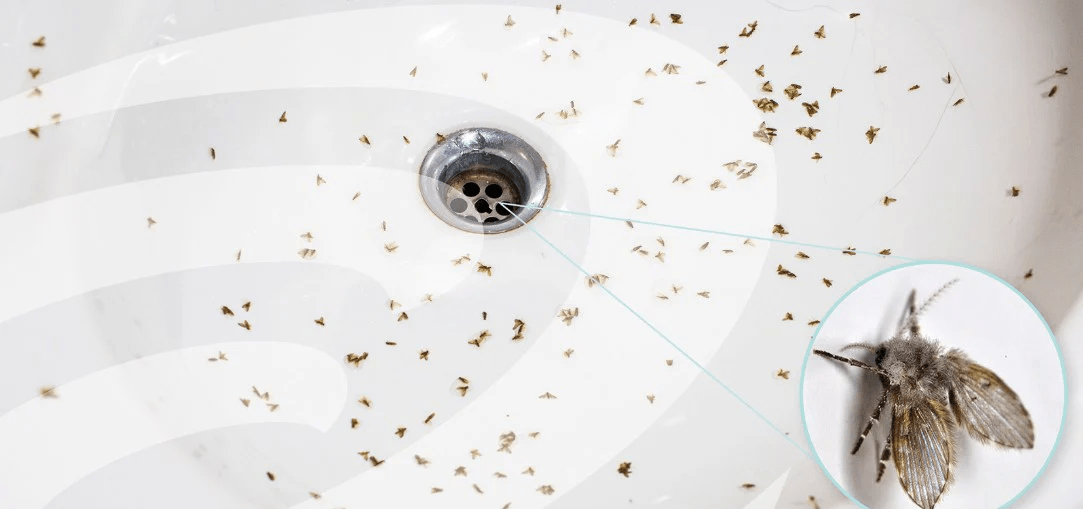
However, many condo owners in the area are noticing a tiny, fuzzy nuisance in their kitchens and bathrooms. These small insects are often mistaken for fruit flies or gnats. They are actually drain flies.
If you see these moth-like pests hovering near your sink, it means something is growing in your pipes.
To keep your home clean, many residents look for professional Indianapolis exterminator services to handle these persistent infestations before they spread to other units.
Identifying the Fuzzy Invaders in Your Indy Condo
Drain flies are easy to spot if you know what to look for. They are very small and usually grow to about one-eighth of an inch long. Their bodies and wings are covered in tiny hairs. This gives them a fuzzy, moth-like appearance.
Unlike houseflies that zip quickly around the room, drain flies are weak fliers. You will usually find them resting on the walls of your bathroom. They also like to crawl around the rim of your kitchen sink.
In Indianapolis, they are common because these buildings have complex plumbing. Moisture can sit in these pipes for a long time. If you tap your drain and small insects flutter out, you likely have a colony living just out of sight.
Why Downtown Indianapolis Drains Are the Perfect Home
These pests love Downtown Indianapolis condos for a simple reason. They thrive on organic decay and moisture. Inside your pipes, a thin layer of slimy film often builds up.
This film is made of soap scum, hair, food particles, and grease. This “gelatinous film” is exactly where drain flies lay their eggs. Because condo buildings have shared main lines, a problem in one unit can sometimes travel to another.
If you have a guest bathroom that you rarely use, the water in the trap might evaporate. This leaves the drain open for flies. They move in and start breeding in the moist residue left behind.
The Life Cycle of a Local Drain Fly
Understanding how these flies grow helps you realize why they are so hard to stop. You cannot just use a quick spray to fix the problem. A female drain fly can lay dozens of eggs at a time.
She places them right inside that slimy film in your drain. Within 48 hours, those eggs hatch into tiny larvae. These larvae actually help break down organic matter in nature. However, you definitely do not want them in your home.
They live in the drain for about two weeks. After that, they turn into the fuzzy adults you see on your mirror. They reproduce very quickly. A small issue in your kitchen can turn into a big infestation in less than a month.
Simple Steps for Indianapolis Homeowners to Take
If you suspect an issue, you can perform a simple test with household items. Take a clear piece of tape and place it over your drain opening at night. Make sure the sticky side is facing down.
In the morning, check the tape for tiny flies. If you see them, you know exactly which drain is the source. To start cleaning, skip the boiling water or bleach. These liquids often flow past the slime without removing it.
Instead, use a stiff pipe brush to manually scrub the inside of the drain. Removing the physical slime is the only way to destroy the breeding ground. For many Indy residents in older buildings, this is a necessary part of home maintenance.
Professionals like Pointe Pest Control specialize in keeping Indianapolis homes pest-free through every season. Contact them today to ensure your home stays pest-free!